Medicare’s $50 GLP-1 Bridge: What US Patients Must Do to Get Coverage
GLP-1 medications are reliably covered for type 2 diabetes by most commercial and government plans, but coverage for weight loss alone still depends heavily on your specific plan. The biggest change for 2026 is Medicare’s GLP-1 Bridge program, which covers Wegovy, Zepbound KwikPen only, and Foundayo for eligible Medicare Part D beneficiaries at a $50 monthly copay. Zepbound single-dose pens and vials are excluded. Start by checking your plan’s drug formulary or calling your insurer directly before assuming you’re out of options.
TL;DR:
- Medicare’s GLP-1 Bridge program covers Wegovy, Zepbound KwikPen only, and Foundayo for eligible beneficiaries at a $50 monthly copay through December 31, 2027. Prior authorization is required; Zepbound single-dose pens and vials are excluded.
- Commercial plans and employer-sponsored insurance vary widely in coverage, with many still requiring prior authorization and step therapy for weight-loss GLP-1s.
- Medicaid coverage for obesity-related GLP-1s depends on state decisions, often differing even within the same state, while diabetes coverage remains more consistent.
- Most insurance plans exclude compounded GLP-1 formulations and only reimburse FDA-approved drugs dispensed through licensed pharmacies.
- Patients should document BMI, comorbidities, previous weight loss attempts, and obtain tailored medical necessity letters to improve approval chances.
Table of Contents
- Does Insurance Cover GLP-1 for Weight Loss by Plan Type?
- What Does the Medicare GLP-1 Bridge Cover?
- Is GLP-1 Coverage Different for Medicaid Recipients?
- What Documentation Do You Need for Prior Authorization?
- How Do You Start a Prior Authorization Request?
- How Clinical Documentation From Telehealth Programs Helps
- What the 2026 Coverage Shift Really Means for Patients
- When Insurance Falls Short, What Are Your Options?
- Where to Verify Your Coverage Details
- Sources
- FAQ
Does Insurance Cover GLP-1 for Weight Loss by Plan Type?
Coverage odds shift dramatically depending on who pays your premium, and understanding your specific plan type is the fastest way to set realistic expectations.
Commercial and employer-sponsored plans vary the most. Whether your plan covers Ozempic, Wegovy, Mounjaro, or Zepbound for weight loss is largely an employer decision, made through the pharmacy benefit manager (PBM) that administers the plan. Some employers add obesity drugs to their formulary during open enrollment; others drop coverage to control costs. Coverage for obesity GLP-1s increased broadly in 2026, but prior authorization is still required by most commercial plans, and step therapy (trying a cheaper drug first) remains common.
ACA marketplace plans are the least predictable. Weight-loss coverage is rare, and it differs plan by plan even within the same state exchange. Diabetes coverage for drugs like Ozempic and Rybelsus is far more consistent, since GLP-1s are established first-line or add-on diabetes therapies. Always pull up the plan’s actual formulary document, not the marketing summary, before enrolling if GLP-1 access matters to you.
VA and TRICARE beneficiaries generally see more consistent coverage for diabetes indications, with weight-loss coverage tied to documented comorbidities and a formal weight management referral.
When a plan does cover a GLP-1, typical costs and options include:
- Copays commonly range from $25 to $100 a month for covered brand-name drugs, though your exact tier determines the number.
- HSA and FSA funds can typically be used for GLP-1 copays and even for cash-pay prescriptions if you have a valid prescription.
- Compounded GLP-1 formulations are excluded from coverage industry-wide. Insurers, Medicare, and Medicaid only reimburse FDA-approved products dispensed through licensed pharmacies.
- Prior authorization is required by the majority of plans covering weight-loss indications, even when the drug is on formulary.
What Does the Medicare GLP-1 Bridge Cover?
Medicare’s temporary GLP-1 Bridge program is the single biggest coverage shift heading into 2026, and it directly answers the question millions of Medicare beneficiaries have been asking about GLP-1 insurance for weight loss.
By the numbers: The Medicare GLP-1 Bridge covers Wegovy injections or tablets, Zepbound KwikPen only, and Foundayo for eligible beneficiaries at a $50 monthly copay. The program runs from July 1, 2026, through December 31, 2027. Zepbound single-dose pens and vials are not covered.
The Bridge fills a gap that existed because traditional Medicare Part D historically excluded weight-loss-only prescriptions. Under the Bridge:
- Eligibility requires age 18 or older, enrollment in an eligible Part D plan type, and CMS clinical criteria met when GLP-1 therapy began: BMI of at least 35; BMI of at least 30 with heart failure with preserved ejection fraction, uncontrolled hypertension, or stage 3a or higher chronic kidney disease; or BMI of at least 27 with prediabetes, a previous heart attack or stroke, or symptomatic peripheral artery disease. CMS defines uncontrolled hypertension here as systolic pressure above 140 mm Hg or diastolic pressure above 90 mm Hg despite concurrent treatment with two antihypertensive medications. Treatment must be for weight management alongside ongoing structured nutrition and physical activity.
- Beneficiaries with type 2 diabetes, moderate-to-severe obstructive sleep apnea, or qualifying noncirrhotic metabolic dysfunction-associated steatohepatitis (MASH) are ineligible for Bridge coverage under CMS rules and should use the appropriate Part D coverage route. Prescriptions for a Part D-covered indication should go through the Part D plan.
- Prior authorization is required. Your prescriber first sends the prescription to the pharmacy. After the pharmacy submits a Bridge claim and requests prior authorization, your prescriber completes the request and attests to your eligibility. Starting prior authorization before a pharmacy claim establishes eligibility can cause a patient-not-found error.
- The $50 copay applies specifically to Bridge-covered drugs and doesn’t necessarily carry over to every GLP-1 on the market.
If you’re a Medicare beneficiary, call 1-800-MEDICARE with questions about your eligibility, then ask your prescriber to send an eligible prescription to your pharmacy and complete prior authorization when requested. Part D plan sponsors do not need to opt into the Bridge; the program operates separately from regular Part D coverage and payment.
Medicare Bridge information checked October 8, 2026, against CMS provider guidance and Medicare.gov. Eligibility and covered products can change; check the official sources for current requirements.
Is GLP-1 Coverage Different for Medicaid Recipients?
Medicaid coverage for obesity-related GLP-1s is optional at the federal level, which means your zip code matters almost as much as your diagnosis. KFF’s research on Medicaid GLP-1 spending confirms that states decide individually whether to cover these drugs for weight loss, and coverage often differs even within a state depending on whether you’re enrolled in fee-for-service Medicaid or a managed care organization (MCO).
Diabetes coverage under Medicaid is far more consistent nationwide than weight-loss coverage, which remains genuinely inconsistent state to state.
To confirm your own state’s rules:
- Search your state Medicaid agency’s preferred drug list (PDL), which is usually a public PDF or searchable database.
- Call your state Medicaid pharmacy help desk directly and ask specifically about GLP-1 coverage for weight management versus diabetes.
- If you’re enrolled in an MCO rather than fee-for-service, check that plan’s specific formulary too, since MCOs can apply additional utilization controls even in states that technically cover GLP-1s.
What Documentation Do You Need for Prior Authorization?
Most GLP-1 denials trace back to paperwork gaps, not policy refusals. CoverMyMeds’ provider-facing research identifies missing step-therapy proof and incomplete clinical documentation, such as BMI or A1C values, as the most common reasons prior authorization requests get rejected.
A complete PA packet typically includes:
- Current BMI, calculated with a standard tool like the NHLBI’s BMI calculator, plus weight history over recent months. For Medicare GLP-1 Bridge eligibility, document BMI and the relevant clinical criteria at the time GLP-1 therapy began, including therapy started before Bridge enrollment.
- Documented comorbidities (hypertension, sleep apnea, prediabetes, or type 2 diabetes with recent A1C results).
- Evidence of prior weight-loss attempts, including diet, exercise, or previous medication trials, since many plans require this before approving a GLP-1.
- A letter of medical necessity from your prescriber addressing each specific criterion your plan lists, not a generic template letter.
If your plan requires step therapy, your prescriber can request a formal exception by documenting why a cheaper alternative isn’t appropriate, such as a prior intolerance or contraindication.
When a denial does come, the appeal sequence matters: request the written denial letter with the specific denial reason, submit a letter of medical necessity that answers each point in that letter, request a peer-to-peer review between your prescriber and the plan’s medical director, and if the internal appeal still fails, file for an external review through your state’s process. Well-documented medical necessity appeals succeed at meaningful rates, with overturn rates commonly cited around 40 to 50 percent.
Medicare GLP-1 Bridge has no appeals process. A prescriber may resubmit a prior-authorization request with corrected information or new supporting information; the regular-plan appeals steps above do not apply to Bridge requests.
Pro Tip: Keep a running folder of every lab result, weight log entry, and prior medication trial from day one of treatment. Retroactively assembling this evidence after a denial costs you weeks; having it ready costs you nothing.
How Do You Start a Prior Authorization Request?
For the Medicare GLP-1 Bridge, follow the prescription-first process above. The steps below describe regular insurance-plan procedures, which vary by plan.
- Call the number on the back of your insurance card, not a general customer service line, and ask specifically: “Is [drug name] covered for [diabetes/weight loss] on my formulary, and does it require prior authorization or step therapy?”
- Request the plan’s exact formulary tier and PA criteria in writing, either by email or through your member portal, so your prescriber knows exactly what to document.
- Ask your provider for a complete packet: current BMI, relevant labs, comorbidity notes, and a letter of medical necessity tailored to your plan’s stated criteria.
- Track timelines. Standard PA reviews typically take up to several business days; expedited reviews (for urgent medical need) move faster. If you hear nothing within your plan’s stated window, call back and escalate.
- If coverage isn’t available or the wait is too long, look into manufacturer savings cards or cash-pay telehealth programs as a bridge, but confirm first whether your plan is Medicaid or Medicare, since many manufacturer coupons explicitly exclude government-insured patients.
Pro Tip: Ask your insurer for the PA decision timeline in writing during the initial call. Having that number gives you a concrete date to escalate if you haven’t heard back.
How Clinical Documentation From Telehealth Programs Helps
A clinician-guided model like Hypergevity’s approach to intake produces exactly the kind of structured record insurers ask for: tracked BMI over time, relevant labs, and documented lifestyle history rather than a single office-visit note. That structure matters when your prescriber later needs to assemble a peer-to-peer review or an appeal packet, since the clinical history is already organized instead of scattered across old records. For patients weighing whether to pursue a lengthy appeal or start direct-care treatment now, having thorough documentation on hand keeps both paths open at once.
What the 2026 Coverage Shift Really Means for Patients
The Medicare GLP-1 Bridge is a genuine expansion, but it’s not universal relief. Coverage still swings hard based on your specific plan, your state, and whether your employer’s PBM decided obesity drugs belong on the formulary this year. Employers and PBMs, not clinical evidence alone, drive most commercial access decisions, and that will likely stay true through the next several open-enrollment cycles. The practical takeaway hasn’t changed: check your plan now, document everything your prescriber will need, and revisit your options each time enrollment opens, because formulary decisions shift year to year.
— Hypergevity
When Insurance Falls Short, What Are Your Options?
If your plan excludes weight-loss coverage, your appeal is pending, or the wait for prior authorization stretches longer than you can manage, a clinician-guided telehealth path is a legitimate way to keep moving. A Medical Weight Loss program can offer flat, transparent monthly pricing with no insurance required, licensed U.S. providers, and direct-to-door delivery, so you’re not stuck waiting on a formulary decision to start treatment.
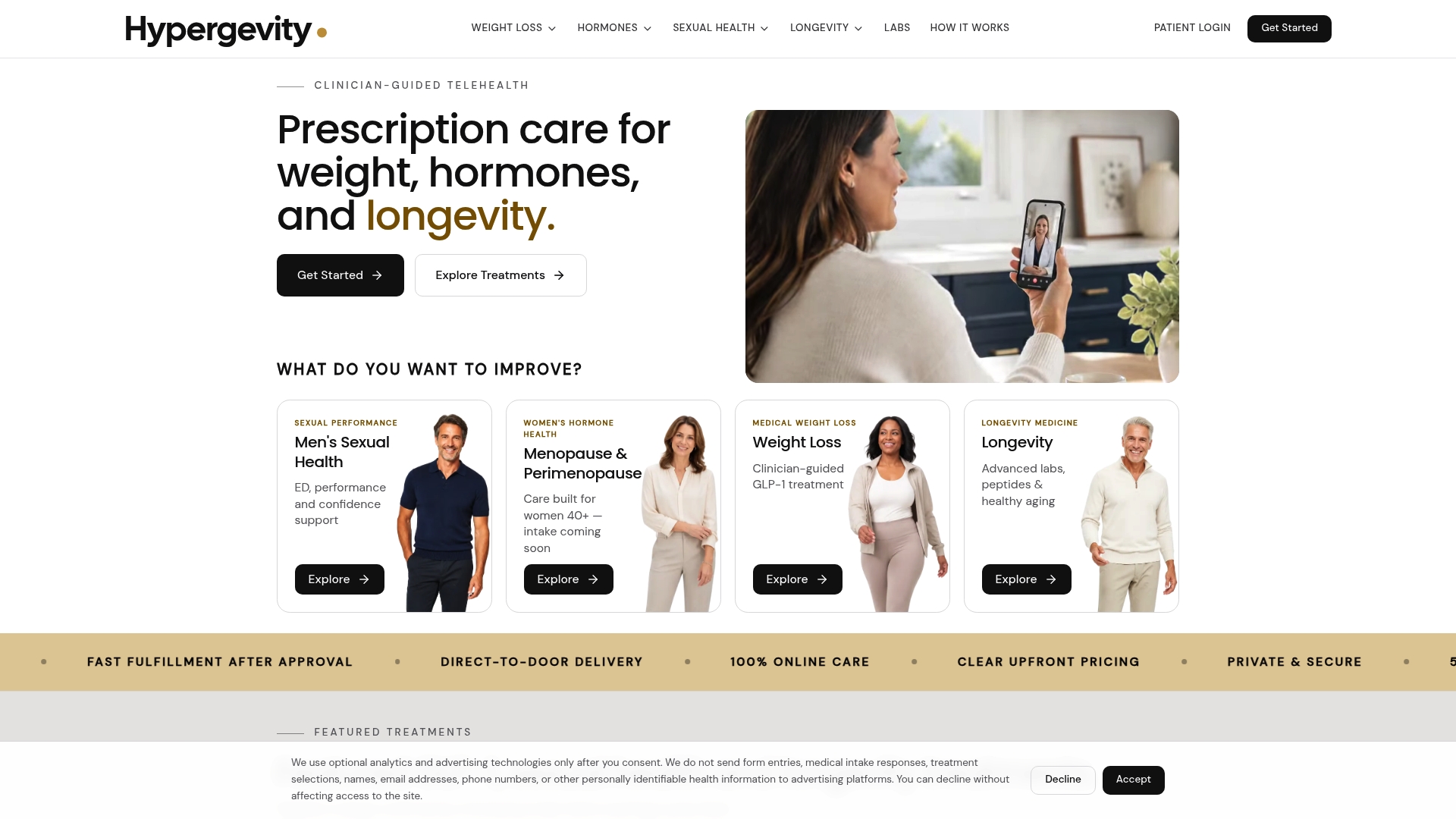
The intake process includes a clinical evaluation that can double as the kind of documentation your insurer might eventually want anyway, tracked BMI, lab integration, and structured provider notes. For patients who prefer to avoid needles altogether, oral semaglutide is available through a clinician-guided model. Providers can help you determine which medication fits your history before you commit to a plan. Start with a confidential online intake at Hypergevity’s weight loss program to see what a clinician-guided path looks like for your specific situation.
Where to Verify Your Coverage Details
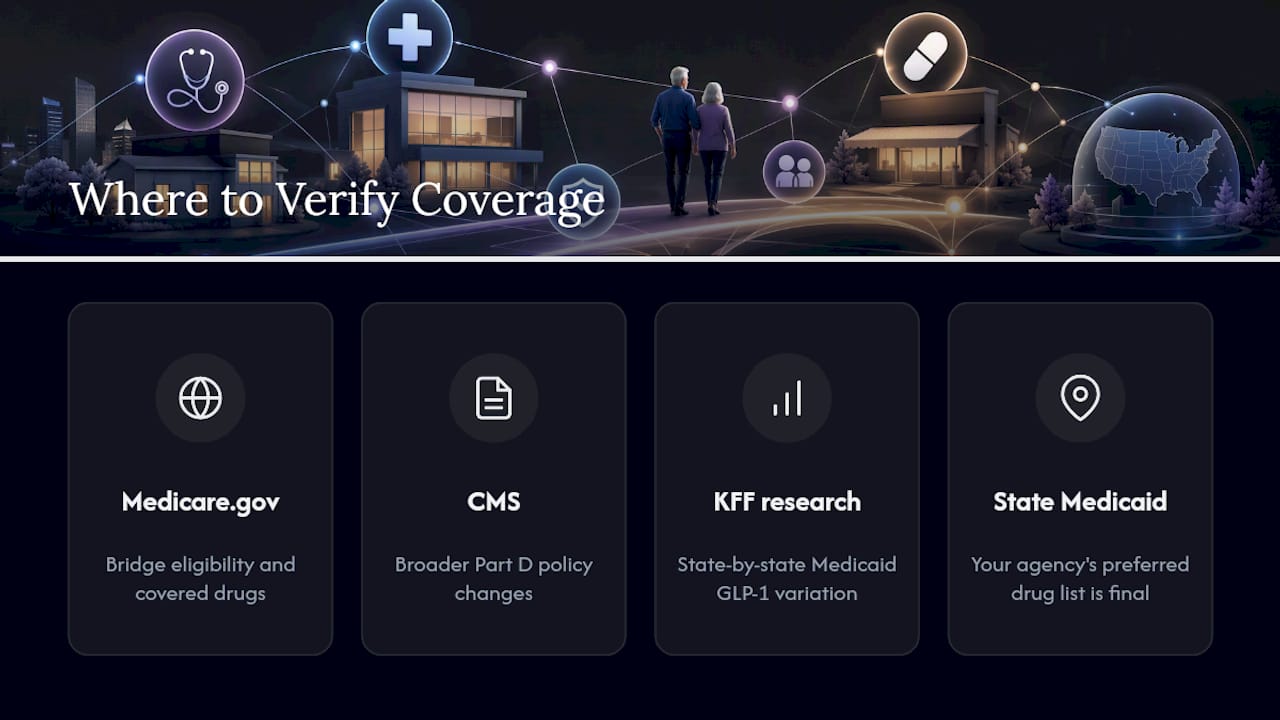
For the most current program rules, go directly to the source rather than relying on secondhand summaries. The Medicare.gov weight loss drugs page lists Bridge eligibility and covered drugs, while Cms covers broader Part D policy changes. For Medicaid specifics, KFF’s Medicaid GLP-1 research breaks down state-by-state variation, and your own state Medicaid agency’s preferred drug list has the final word for your case.
This article is general information, not a substitute for advice from a qualified doctor. Consult a qualified healthcare professional about your own circumstances before acting on anything here.
Sources
- Weight loss drugs | Medicare
- Medicaid Coverage of and Spending on GLP-1s | KFF
- Simplify GLP-1 prior authorization with CoverMyMeds | CoverMyMeds
- GLP-1 Insurance Coverage 2026 | Telehealth Ally
- Calculate your BMI | NHLBI
FAQ
Will GLP-1s Be Covered by Insurance in 2026?
Coverage depends heavily on your plan type. Diabetes indications are broadly covered, weight-loss coverage is expanding but still plan-specific, and eligible Medicare Part D beneficiaries can access Wegovy, Zepbound KwikPen only, and Foundayo through the Medicare GLP-1 Bridge for a $50 monthly copay through December 31, 2027. Zepbound single-dose pens and vials are excluded.
How Do I Get Ozempic for $25 a Month With Insurance?
Manufacturer savings cards, not standard insurance benefits, typically produce the lowest advertised copays like $25, and eligibility usually requires commercial insurance that already covers Ozempic for diabetes. These cards generally exclude Medicaid and Medicare patients, so check the fine print against your specific coverage before assuming you qualify.
What Is the Costco $179 Three-Month Weight Loss Program?
This refers to a cash-pay membership weight-loss program sold through Costco’s pharmacy partnerships rather than an insurance benefit. It isn’t a substitute for checking your own plan’s GLP-1 formulary, and coverage rules described elsewhere in this guide, including Medicare’s Bridge program and state Medicaid variation, apply regardless of any retail membership program.
How Much Does a GLP-1 Cost With United Healthcare Insurance?
Cost depends entirely on your specific United Healthcare plan, whether the drug is prescribed for diabetes or weight loss, and your plan’s formulary tier. Copays for covered GLP-1s commonly range from $25 to $100 monthly, but the only way to know your exact cost is to call the number on your insurance card and ask about your plan’s specific tier and prior authorization requirements.
Are Compounded GLP-1 Drugs Covered by Insurance?
No. Insurers, Medicare, and Medicaid only reimburse FDA-approved GLP-1 products dispensed through licensed pharmacies, and compounded formulations are excluded from coverage across the board. This applies whether you’re seeking coverage for diabetes or weight-loss treatment.